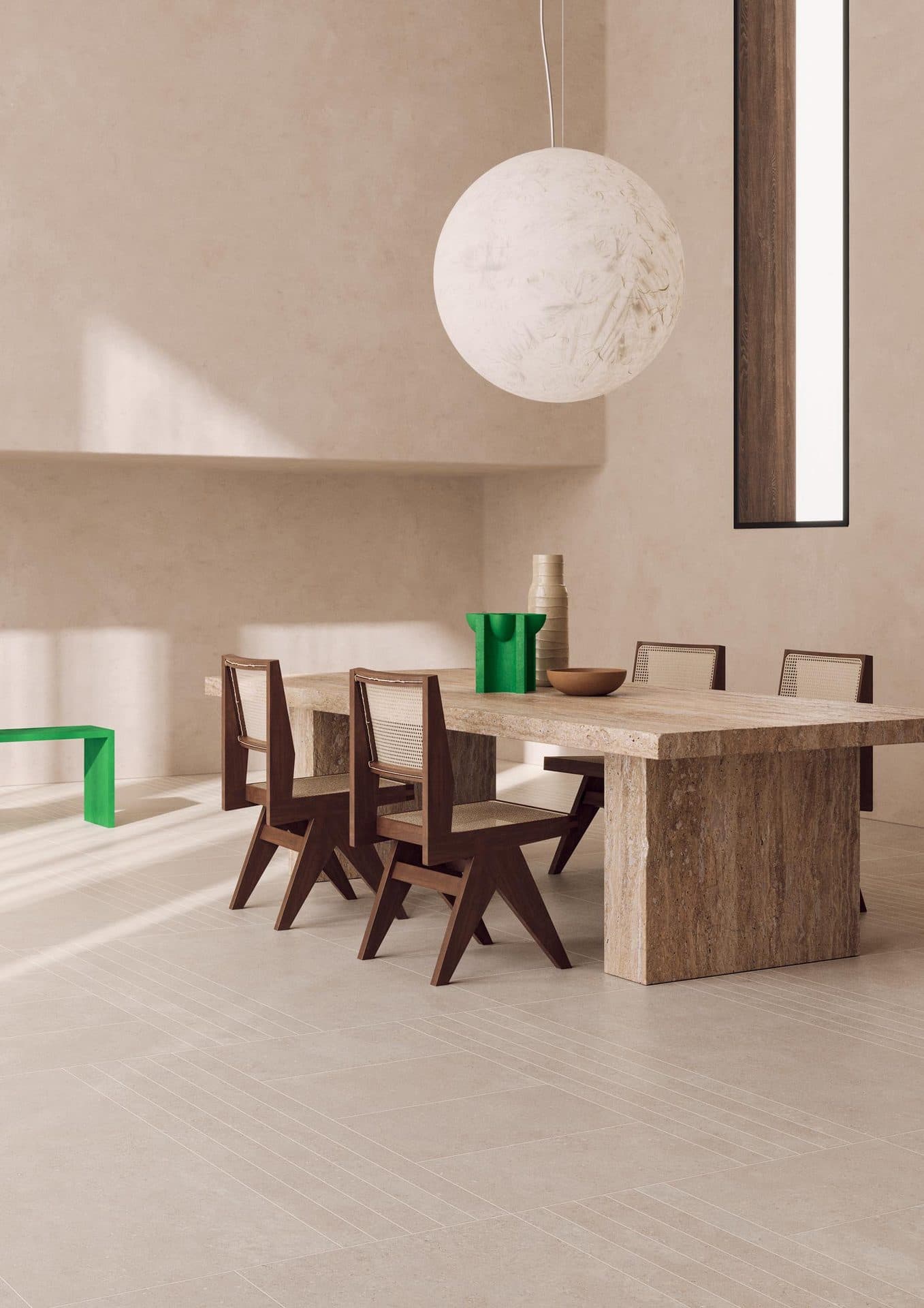
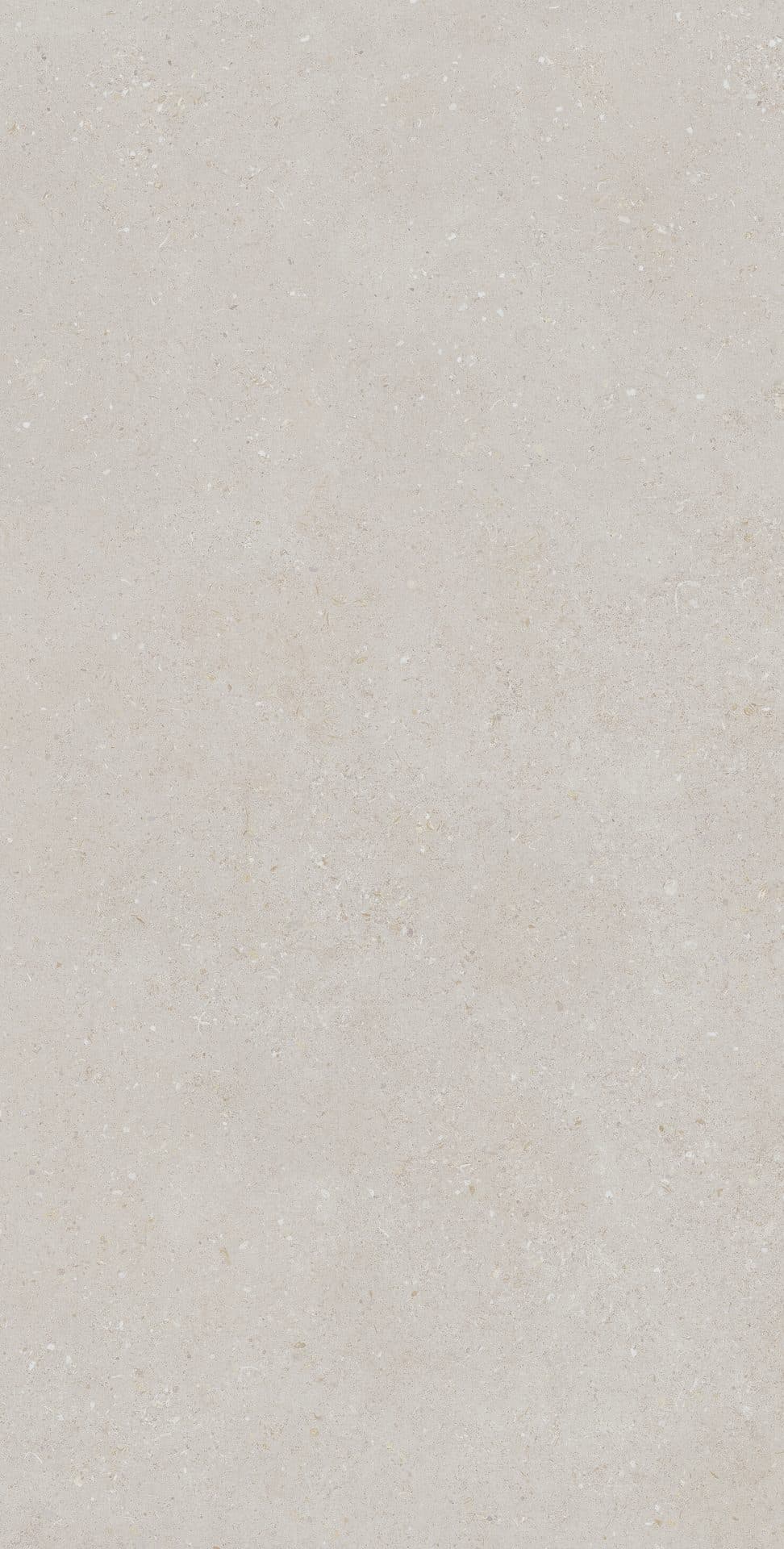
41zero42 Superclassica SCB Beige
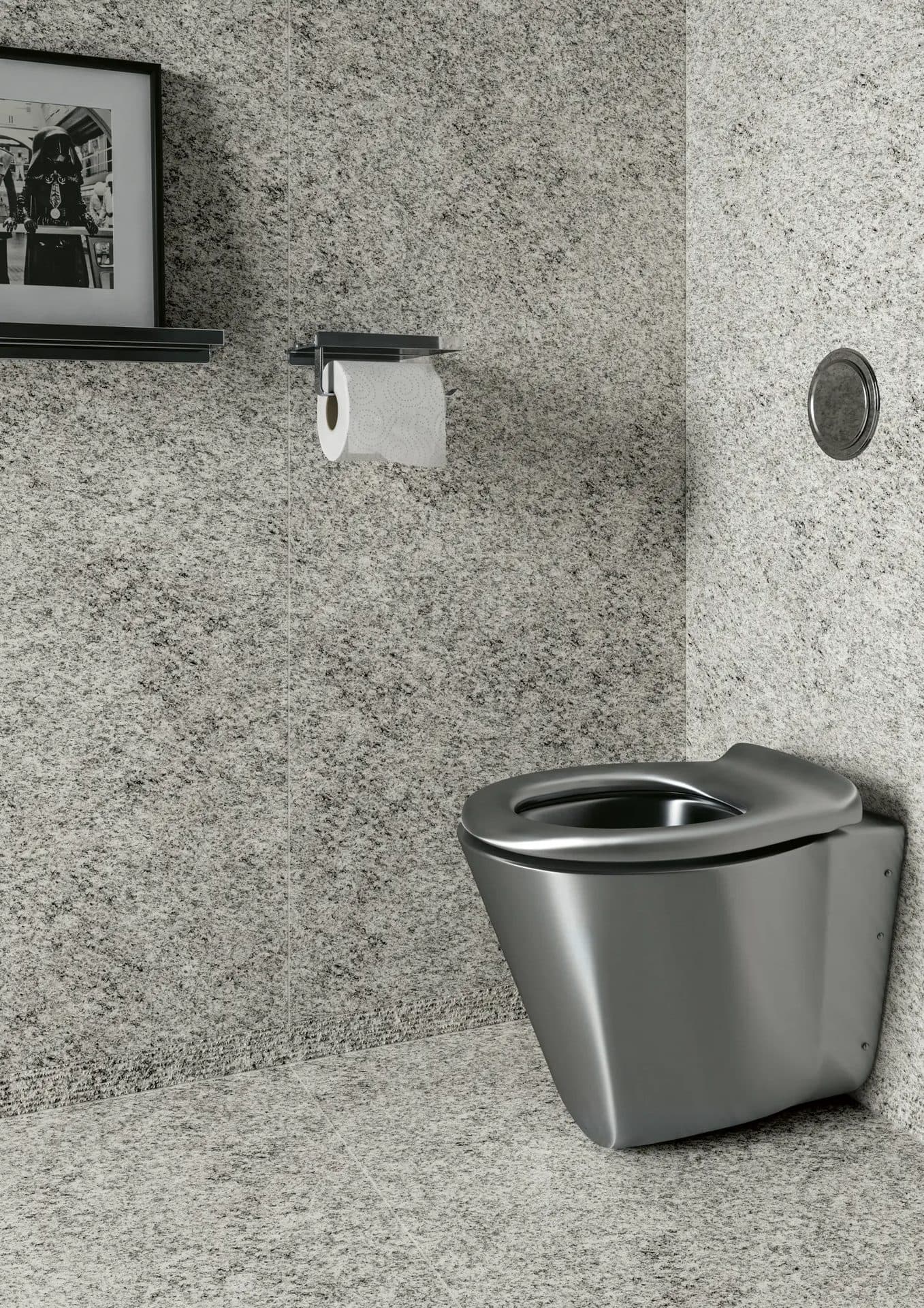
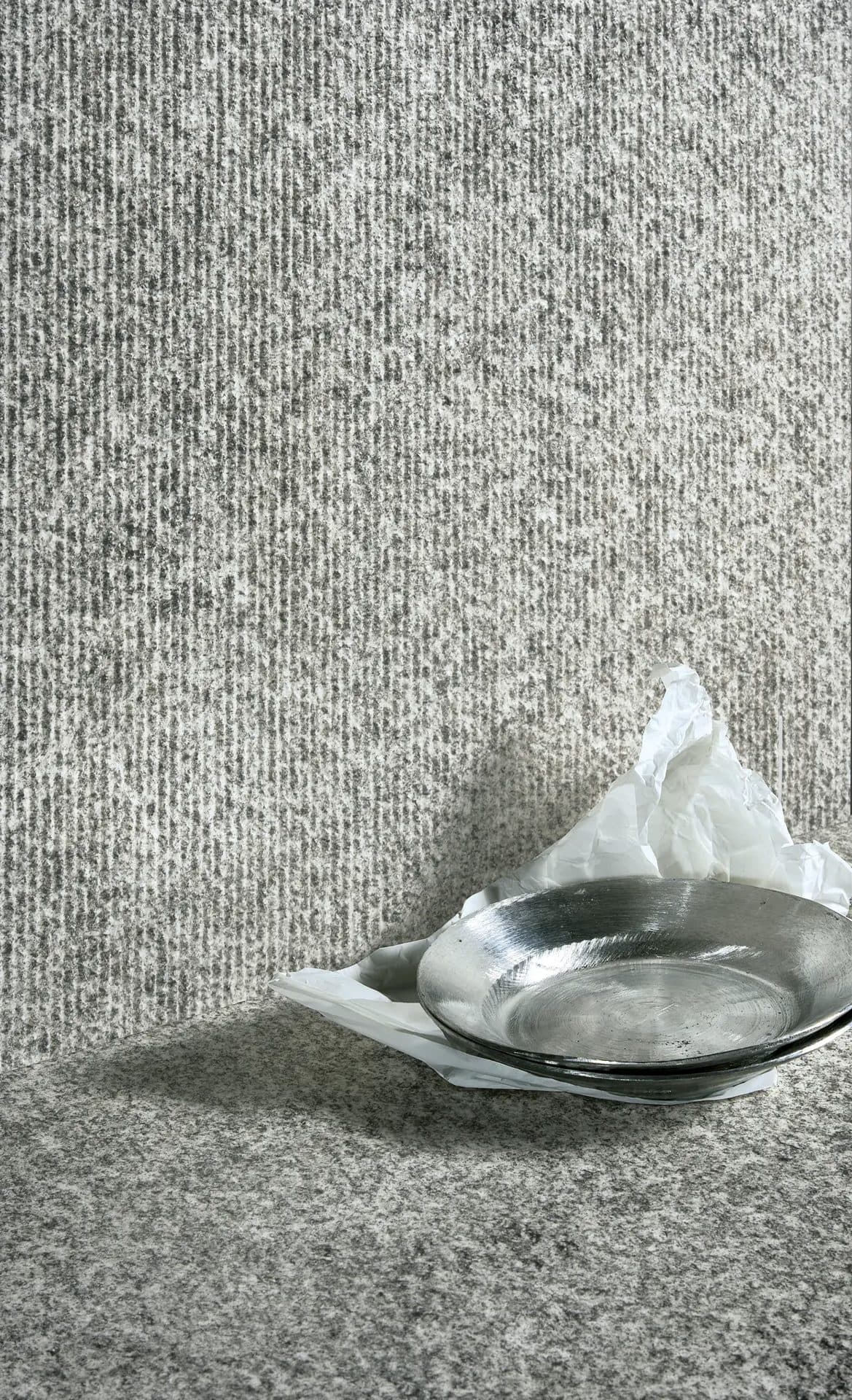
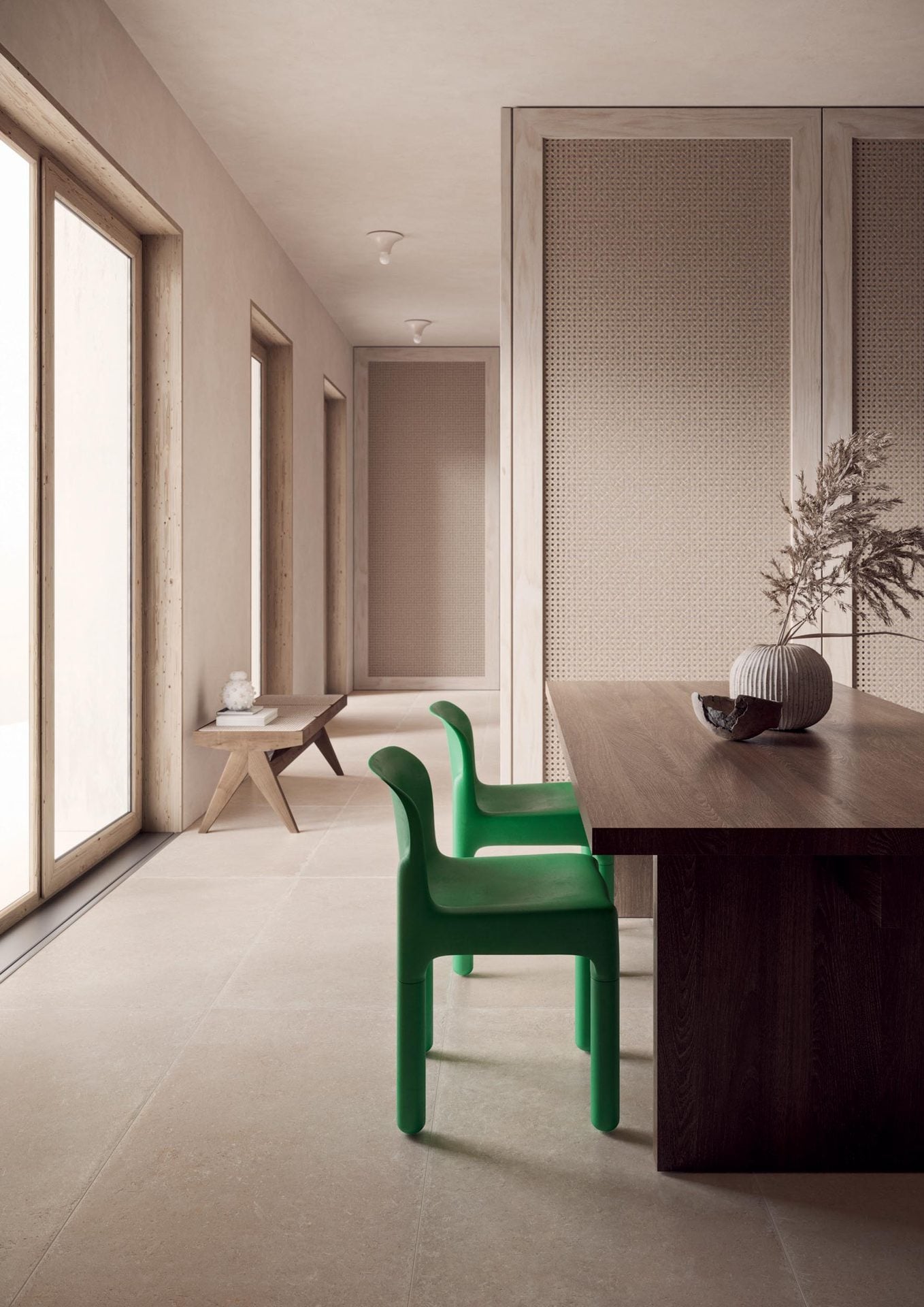
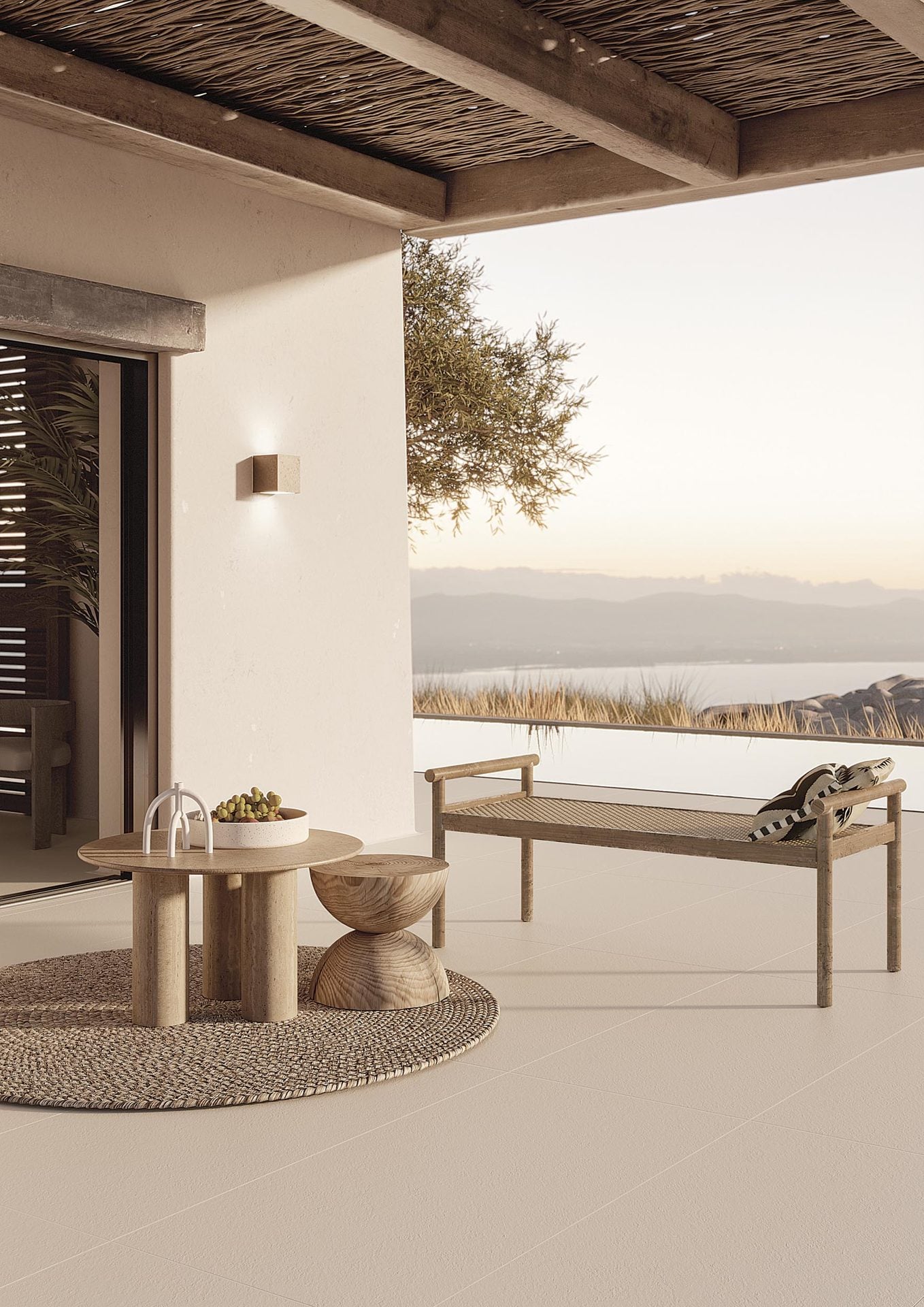
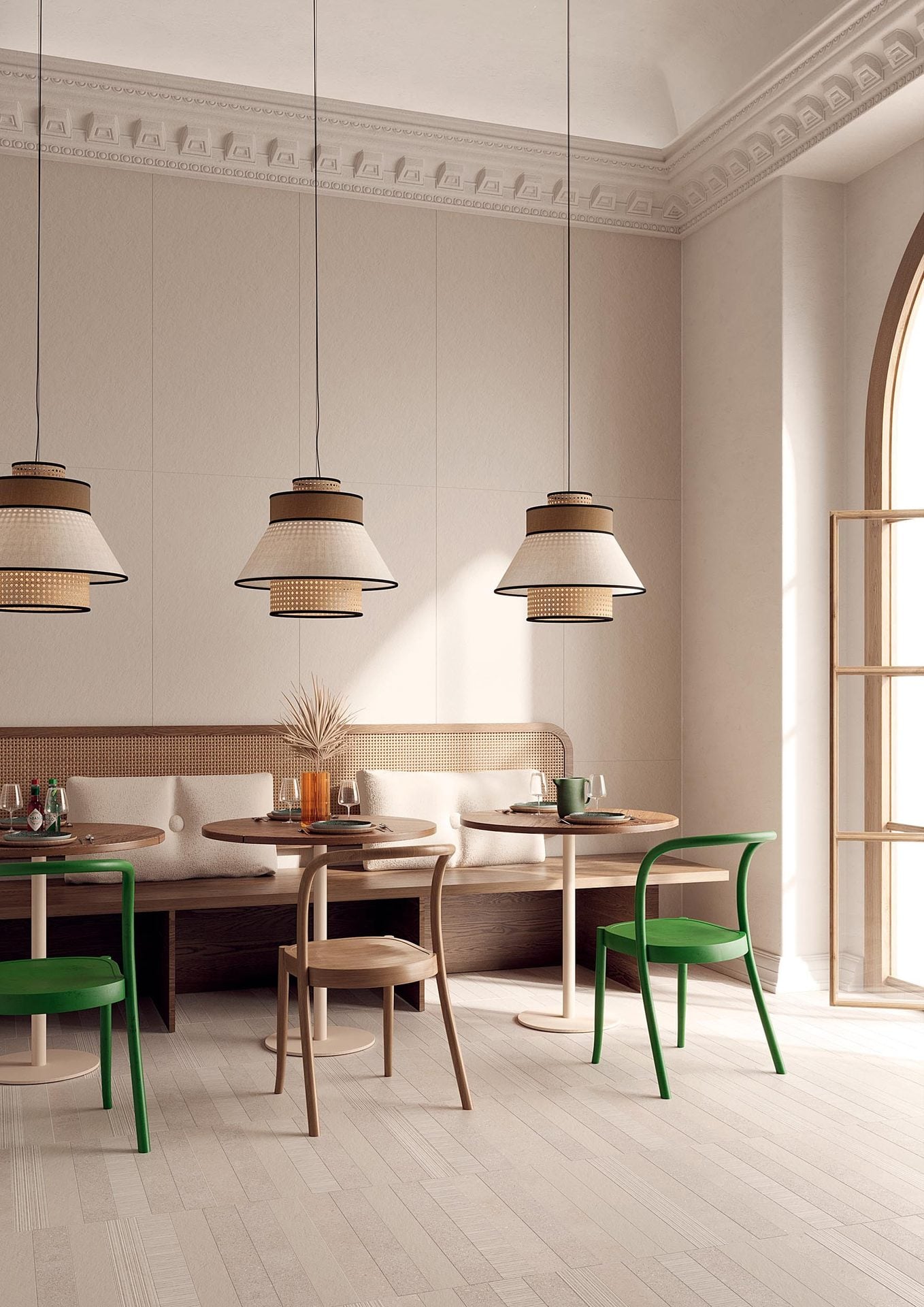
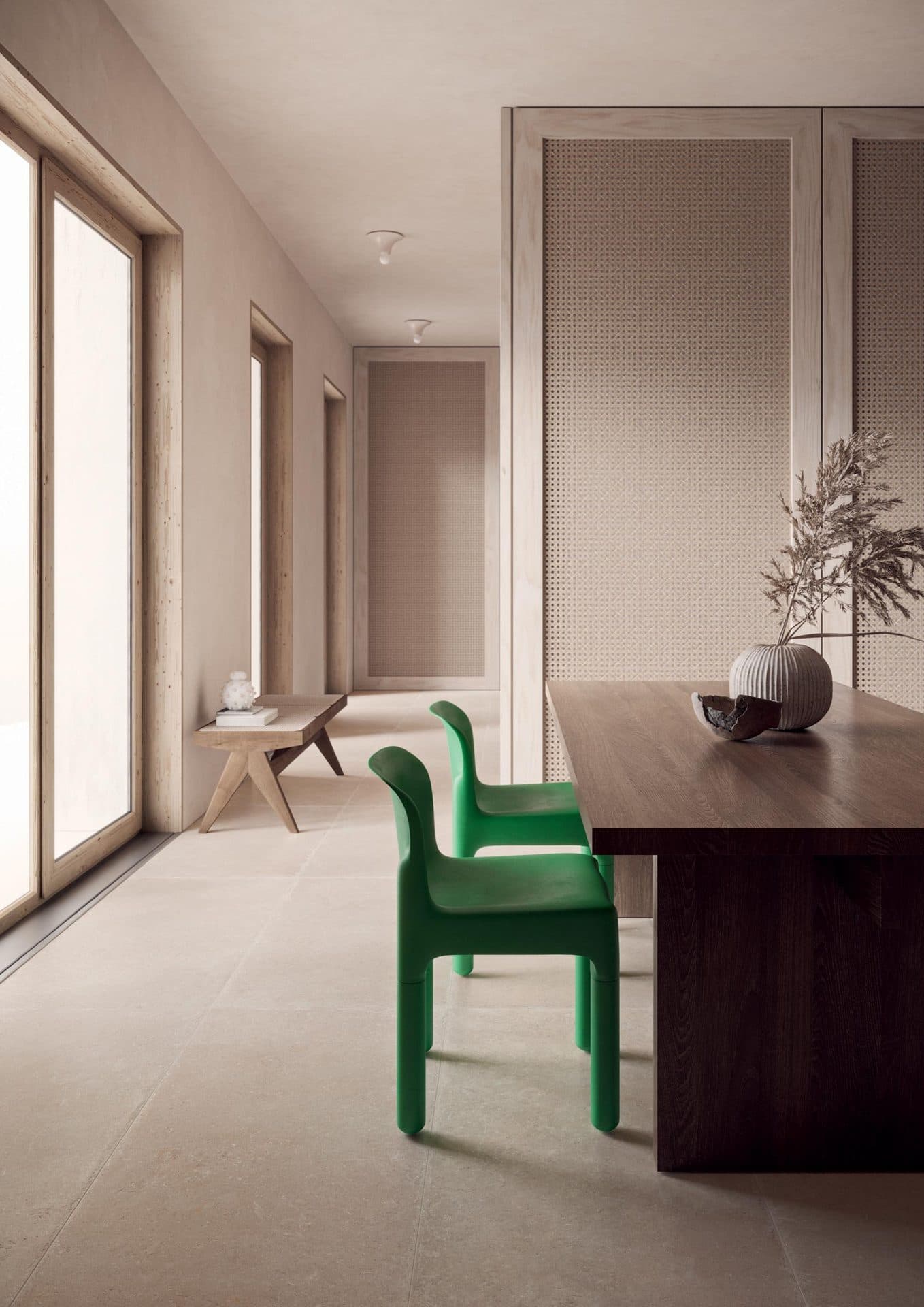
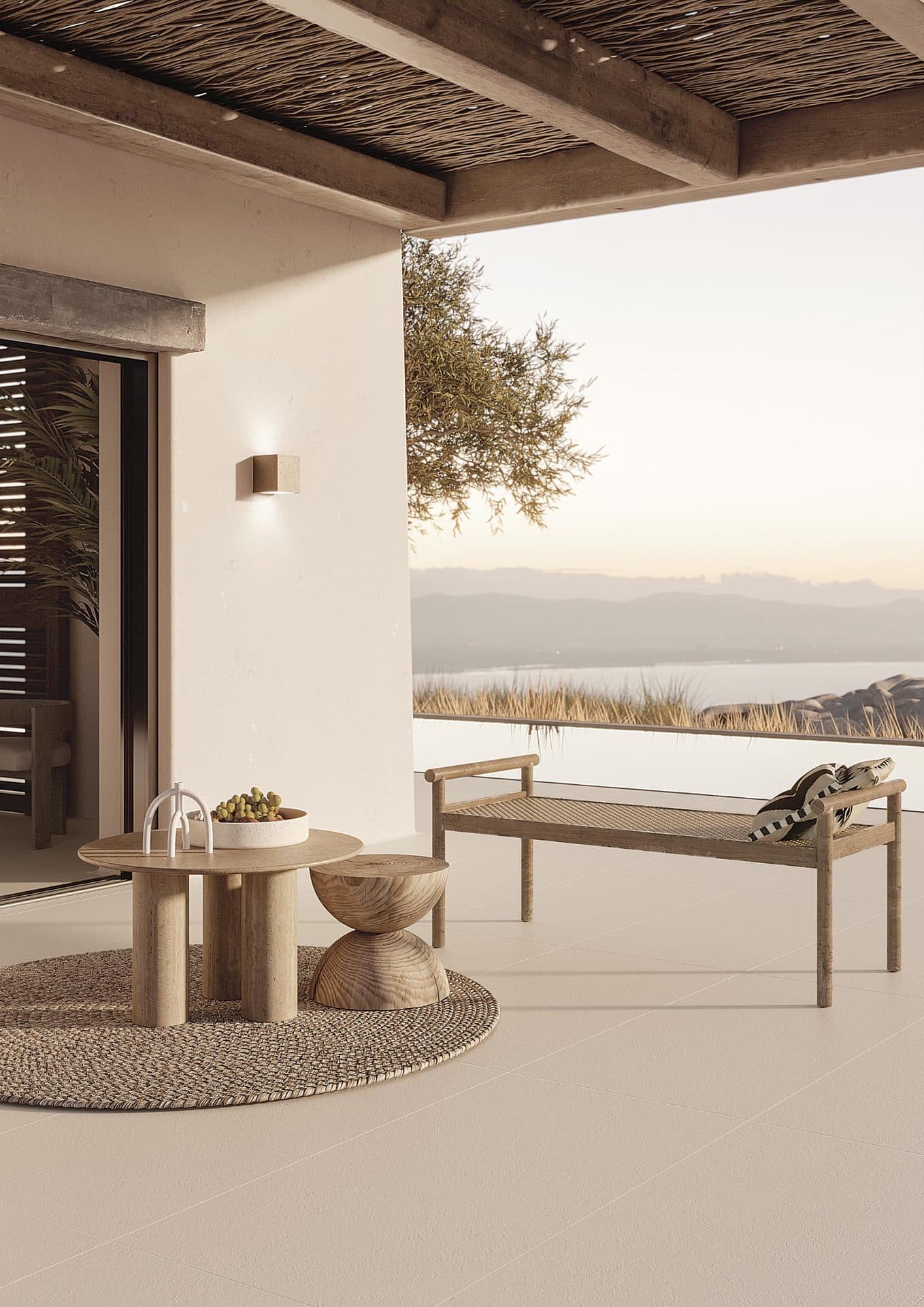
A sandy beige stone with a fine, even grain and barely any shading, keeping the softness of a pale limestone. Offered in six surfaces (Natural, Flamed, Hammered, Crack, Grooved and Peggy, a black glass paste scattered with beige chips) from 80 × 180 cm down to mosaic, it moves from a living room to a terrace or a pool edge in the same shade.
Specifications
- 80 × 180 cm
- 60 × 120 cm
- 60 × 60 cm
- 30 × 60 cm
- 7,5 × 120 cm
- 7,5 × 60 cm
- Mosaïque 1,8 × 1,8 cm sur trame 30 × 30 cm
Click a format to add it to your quote
- Natural
- Beige
- Wall · Floor · Bathroom · Kitchen · Outdoor
Frequently asked questions, Porcelain stoneware
Is this porcelain stoneware suitable for a shower?
+
Yes for most references, on walls and floors. On the floor, the finish must be slip-resistant, with a rating suited to the room, and a waterproofing membrane under the tiles is required. We check that each reference suits your project.
What is the difference between porcelain stoneware and earthenware tiles?
+
Earthenware is a more porous ceramic, used on interior walls only. Porcelain stoneware is fired at a higher temperature: with very low porosity, it suits floors as well as walls and, depending on the reference, outdoor use. Each page lists the uses of the material.
Can porcelain stoneware be laid on underfloor heating?
+
Yes, porcelain stoneware is one of the floor coverings best suited to underfloor heating. The adhesive and joints must be chosen for this substrate: the tiler adapts them to the heating system.